NEWS

Indo Powers Urge TV Improvements; Call for a Broader Focus than Compelling Storylines
24 November 2026
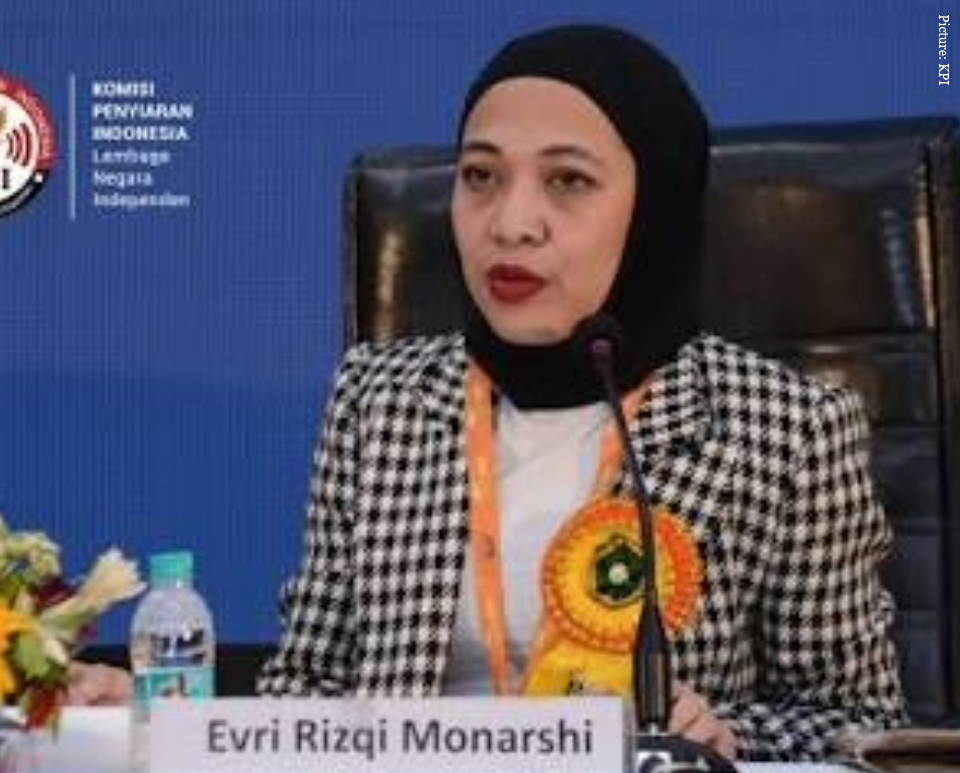
Improving Indonesian television dramas (sinetron) required more than simply focusing on compelling storylines, Indonesia’s media authorities said this month, calling for a greater focus on educational messages, narrative logic and how violence was portrayed.
The issues were highlighted during a focus group discussion on the Indonesian Broadcasting Index (IPI) for the TV drama category. The discussion was organised by the Indonesian Broadcasting Commission (KPI).
KPI vice chairperson Evri Rizqi Monarshi said television dramas deserved particular attention because of their extensive reach.
“TV dramas are not merely entertainment programmes. They also shape public perspectives and convey social and cultural values. Their reach is extraordinary. We hope that what is presented will not simply be something to watch, but also serve as a source of guidance, particularly in protecting the public,” she added.
Previous findings from the Television Broadcast Programme Quality Index (IKPS TV) indicated that TV dramas remained a category requiring attention.
Four expert contributors participated in the discussion: Firdaus from West Sumatra, Dr Agus Darma Yoga Pratama from Bali, Mohamad Annur Tri Putra from Central Sulawesi and Marleen Muskita from Maluku.
They identified four key areas requiring improvement: educational messages that appear merely superficial, portrayals of violence in storylines, inconsistent application of censorship and implausible plots.
Firdaus observed that educational messages in some TV dramas often appeared to be included merely as an afterthought. He argued that every episode should offer viewers something meaningful. Such lessons need not be reserved for the conclusion of an entire series but could instead be incorporated at the end of each episode, he said.
He cited several positive values already depicted in television dramas, including obeying traffic regulations, encouraging religious observance, discouraging dishonesty, cultivating the habit of expressing gratitude and promoting solidarity. Th...
Improving Indonesian television dramas (sinetron) required more than simply focusing on compelling storylines, Indonesia’s media authorities said this month, calling for a greater focus on educational messages, narrative logic and how violence was portrayed.
The issues were highlighted during a focus group discussion on the Indonesian Broadcasting Index (IPI) for the TV drama category. The discussion was organised by the Indonesian Broadcasting Commission (KPI).
KPI vice chairperson Evri Rizqi Monarshi said television dramas deserved particular attention because of their extensive reach.
“TV dramas are not merely entertainment programmes. They also shape public perspectives and convey social and cultural values. Their reach is extraordinary. We hope that what is presented will not simply be something to watch, but also serve as a source of guidance, particularly in protecting the public,” she added.
Previous findings from the Television Broadcast Programme Quality Index (IKPS TV) indicated that TV dramas remained a category requiring attention.
Four expert contributors participated in the discussion: Firdaus from West Sumatra, Dr Agus Darma Yoga Pratama from Bali, Mohamad Annur Tri Putra from Central Sulawesi and Marleen Muskita from Maluku.
They identified four key areas requiring improvement: educational messages that appear merely superficial, portrayals of violence in storylines, inconsistent application of censorship and implausible plots.
Firdaus observed that educational messages in some TV dramas often appeared to be included merely as an afterthought. He argued that every episode should offer viewers something meaningful. Such lessons need not be reserved for the conclusion of an entire series but could instead be incorporated at the end of each episode, he said.
He cited several positive values already depicted in television dramas, including obeying traffic regulations, encouraging religious observance, discouraging dishonesty, cultivating the habit of expressing gratitude and promoting solidarity. These values, he said, should be given greater prominence so that audiences could take away meaningful lessons.
Mohamad Annur expressed similar concerns, urging broadcasters not to focus solely on producing commercially successful TV dramas but also to consider their impact on viewers, particularly children He emphasised the need to strengthen the educational dimension of television dramas.
The second area of concern related to the portrayal of violence. Agus cited scenes depicting methods of harming others using syringes, poisoning, sleeping pills and electric shocks. He also identified instances of explicit verbal bullying in several programmes, and urged broadcasters to exercise greater caution as well as to depict consequences of wrongdoing. He also raised concerns about portrayals of infidelity that appear to normalise such behaviour, as well as scenes involving the disclosure of personal information on social media.
The inconsistent application of censorship also came up, as did the need to conceal product brands in scenes involving dangerous activities. In one programme, for example, a poisoning scene prominently displayed a chocolate brand without obscuring its identity.
According to Agus, clearer guidelines were needed on which elements should be censored, particularly for programmes broadcast during time slots accessible to teenagers. He emphasised that broadcasters are responsible for implementing censorship measures.
The fourth area of concern related to the plausibility of storylines. Firdaus argued that fictional narratives should still follow a logical structure. He cited examples of programmes that appeared to focus more on martial arts techniques and fighting than on the sport that was supposedly their central theme. Implausible storylines, he warned, could ultimately convey messages that lack educational value.
Marleen added that several television dramas continued to feature divorce, infidelity and physical confrontations, despite attracting audiences beyond adults, including homemakers and children. She urged that findings from programme evaluations should not remain merely observations but should lead to concrete follow-up measures to ensure public protection.
Agus also expressed hope that television dramas would conclude with meaningful lessons for viewers.
Previous

Next